




Model 4047 aluminum-silicon filler metal (about 11–13% Si, commonly AWS BAlSi-4 / ISO Al 112) is supplied as wire, strip, lug and ring. It is used with an aluminum flux for flame, induction and furnace brazing of aluminum heat exchangers and fittings. Lugs and strip used with XR-0726FLUX have a catalog recommended range of 590–620 °C.
Aluminum-silicon alloy filler metal on this page is the solid Al-Si family used to braze aluminum to aluminum. The principal catalog grade is model 4047, supplied as wire, strip and ring, with aluminum and silicon as the main elements and a silicon content of 11–13%. The low melting range and good fluidity are intended to limit distortion of the base metal. This solid filler is used with an aluminum brazing flux or paste. It is suitable for flame brazing, induction brazing and furnace brazing.
Where a catalog grade, diameter, packing or process window is not listed on this page, it can be manufactured or selected to order. Please contact XINRUI and request the current datasheet for the grade you will trial.
Standards and typical melting range
4047-type aluminum-silicon filler is commonly classified as AWS A5.8 BAlSi-4 and ISO 17672 Al 112 (also associated with AMS 4185 for the metal). Public data for this near-eutectic alloy list a silicon range of 11–13% (nominally about 12%), a solidus of about 577 °C and a liquidus of about 582 °C, with a frequently published brazing range of about 582–604 °C. Those figures describe the alloy family. For the lugs and strip used with flux paste XR-0726FLUX, this catalog already recommends a brazing temperature of 590–620 °C. Follow the datasheet and a trial on your alloy temper if the two windows need to be reconciled for your process.
Base metals and process
The catalog lists this filler for all-aluminum heat exchangers in refrigeration and air conditioning, aluminum heat exchangers for refrigerators, automobile air conditioning and heat pumps, aluminum coils for cold storage, and various aluminum pipes and connecting parts. Lugs and strip are described for special-shaped aluminum workpieces such as saddles and valve bodies, used with XR-0726FLUX or another suitable flux. Higher-magnesium alloys may need a more active flux, such as the FB2 halide flux; say so in the inquiry. For copper-to-aluminum joints, do not force a generic 4047 wire — use the copper-to-aluminum brazing material.
Forms
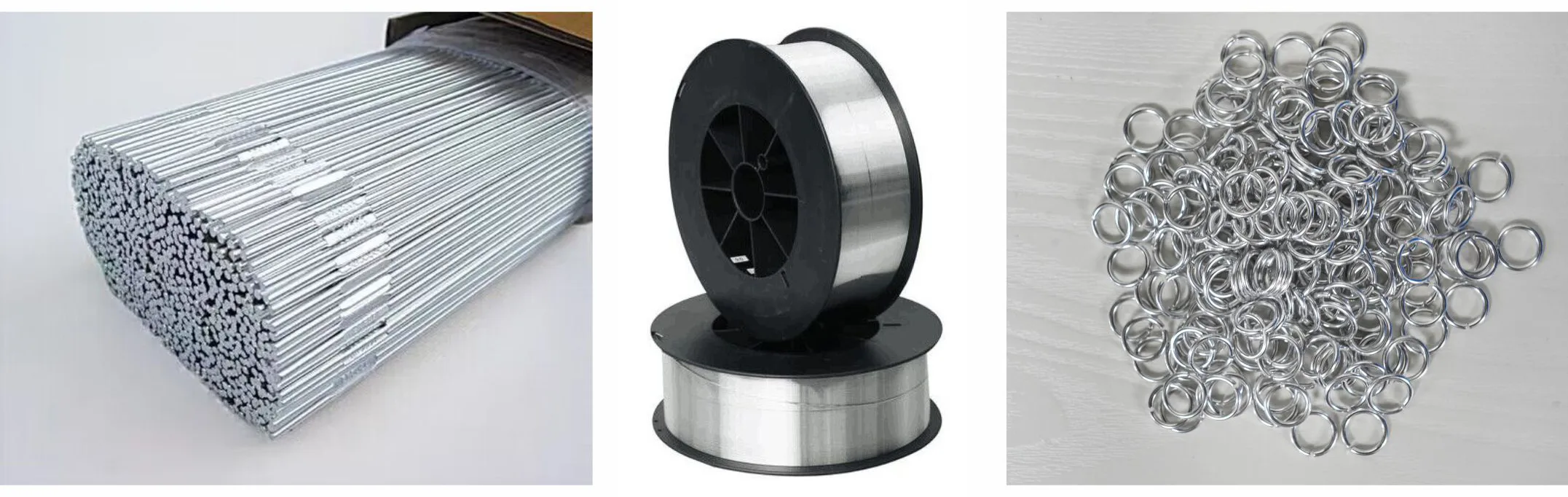
The catalog shows three solid forms:
- 4047 wire, strip and ring (solid material), used with aluminum brazing paste.
- Aluminum-silicon alloy brazing lugs, additives-free, used with XR-0726FLUX or another suitable flux, recommended brazing temperature 590–620 °C.
- Aluminum-silicon alloy brazing strip, additives-free, generally stamped to the required shape, then used with XR-0726FLUX or another suitable flux, recommended brazing temperature 590–620 °C.
Diameters, strip thickness, lug geometry and packing can be made to order. Paste forms of related alloys are on the aluminum brazing paste page.
Applications
Typical uses are all-aluminum cores and fittings in heat exchangers, HVAC and refrigeration, and automotive thermal components.
1. Aluminum solid material
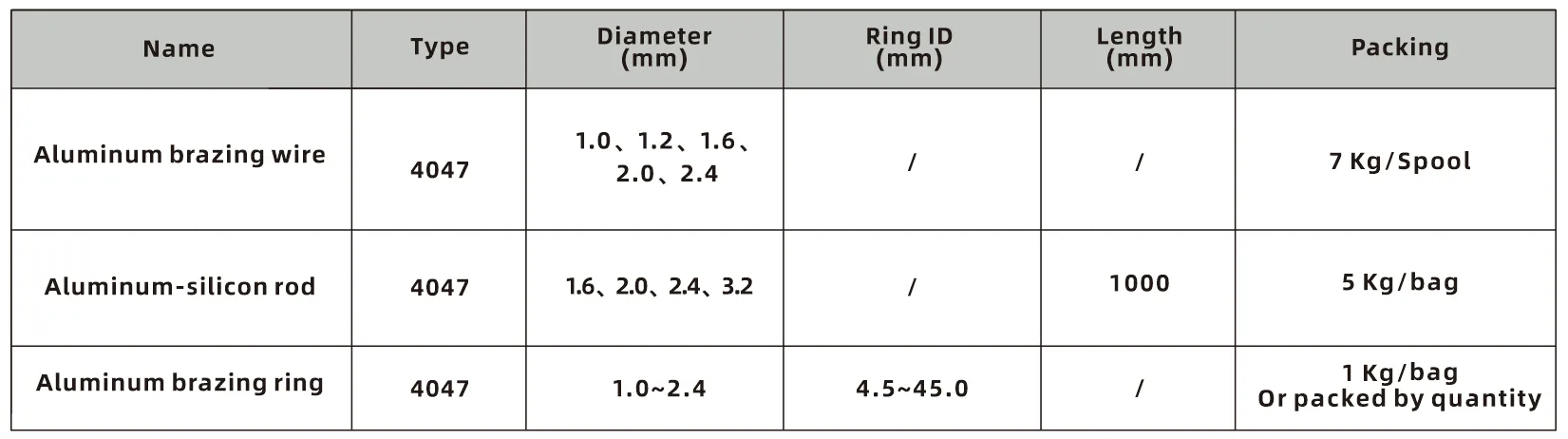
Model 4047 aluminum brazing wire, strip and ring: the main constituents are aluminum (Al) and silicon (Si), with a silicon content of 11–13%. The low melting point and good fluidity keep brazing deformation of the base metal small. It needs to be used with aluminum brazing paste. It is suitable for flame brazing, induction brazing and furnace brazing, including all-aluminum heat exchangers for refrigeration and air conditioning, aluminum heat exchangers for refrigerators, automobile air conditioning, heat-pump heat exchangers, aluminum coils for cold storage, and various aluminum pipes and connecting parts.
2. Aluminum-silicon alloy brazing lug

Aluminum-silicon alloy brazing lugs are additives-free brazing materials that need to be used with aluminum flux paste XR-0726FLUX or another suitable flux. They are suitable for flame brazing, induction brazing and furnace brazing of special-shaped aluminum alloy workpieces such as saddles and valve bodies. The recommended brazing temperature is 590–620 °C.

3. Aluminum-silicon alloy brazing strip

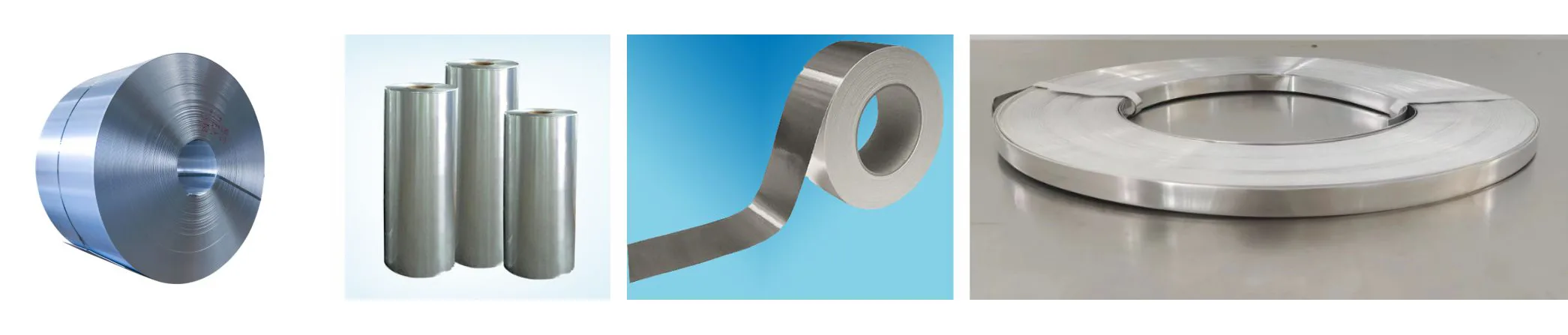
Aluminum-silicon alloy brazing strip is an additives-free brazing material. It is generally stamped and formed into the required shape, then used with aluminum brazing paste XR-0726FLUX or another suitable flux. It is suitable for flame brazing, induction brazing and furnace brazing of special-shaped aluminum alloy workpieces such as saddles and valve bodies. The recommended brazing temperature is 590–620 °C.
Frequently asked questions
Is 4047 the same as AWS BAlSi-4?
They are the same alloy family. 4047 (about 11–13% silicon) is commonly classified as AWS A5.8 BAlSi-4 and ISO 17672 Al 112, with a published melting range of about 577–582 °C. Confirm that the heat or spool you receive is certified to the designation you specified.
Do I always need a separate flux?
The solid wire, strip, lug and ring described here are additives-free filler metal and are used with an aluminum flux, such as aluminum brazing paste or XR-0726FLUX as listed in the catalog. Flux-cored aluminum wire is a different product form.
Why is the recommended temperature for lugs and strip 590–620 °C?
That range is the catalog recommendation for the aluminum-silicon lugs and strip used with XR-0726FLUX. The published brazing range for 4047/BAlSi-4 metal itself is often about 582–604 °C. Use the datasheet and a trial on your alloy and flux combination, not a generic chart alone.
Related reading and next steps
- Aluminum and copper-aluminum brazing materials
- Aluminum brazing paste
- FB2 halide aluminum brazing flux
- Brazing material for copper to aluminum
- Heat exchanger brazing
- HVAC and refrigeration brazing
- Automotive brazing applications
- How to choose a brazing materials factory
- Contact XINRUI for a datasheet, sample, or custom size