




FB2 series halide aluminum flux is a white paste or powder based on NaCl, KCl and LiCl, used with 4047-type filler for flame and induction brazing of aluminum, including higher-magnesium grades such as 6061, 6063 and K70. Residue is removed by washing with water and should not be confused with a noncorrosive fluoroaluminate flux.
FB2 series halide aluminum brazing flux is a white paste or powder flux used with aluminum-silicon filler metals (4047 and similar grades) for flame brazing and high-frequency (induction) brazing of aluminum alloys. The catalog lists both a halide flux paste and a halide flux powder for aluminum brazing.
Where a catalog grade, diameter, packing or process window is not listed on this page, it can be manufactured or selected to order. Please contact XINRUI and request the current datasheet for the grade you will trial.
Composition and activity
The main matrix of the product is NaCl, KCl and LiCl, with fluoride, a surfactant and an organic carrier added. With high flux activity, it can braze a wide range of aluminum alloy grades, and is especially suitable for higher-magnesium base metals such as 6061, 6063 and K70. The joint can be inspected visually. Flux residue can be removed easily by washing with water.
Standards and how this flux differs from others
Brazing fluxes are classified in AWS A5.31/A5.31M. Halide (chloride- and fluoride-containing) fluxes for aluminum are a high-activity family used mainly in air, flame or induction work. Their residues are generally corrosive if left on the part, which is why this catalog specifies a water wash. That is a different chemistry from potassium fluoroaluminate fluxes and from the noncorrosive flux in aluminum brazing paste, which are often used in furnace or controlled-atmosphere brazing and may be left in place when the process allows it. Do not substitute FB2 for a fluoroaluminate flux, or the other way around, without a process review.
The matching filler is typically an aluminum-silicon alloy such as 4047 (AWS BAlSi-4 / ISO Al 112). The filler and the flux should be specified together.
Process and applications
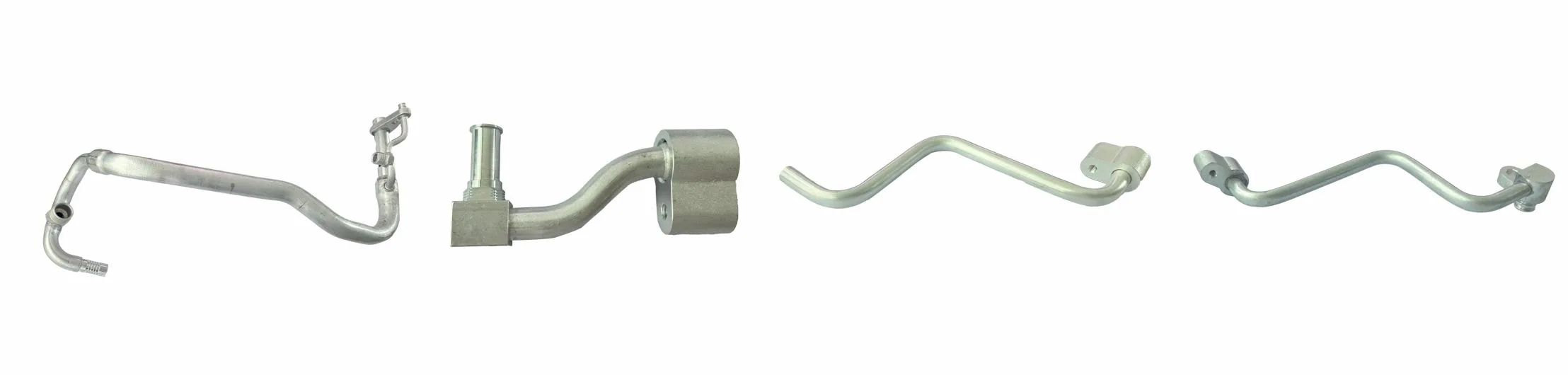
FB2 is suitable for flame brazing and induction brazing of pipelines — for example, aluminum tube to aluminum tube, or aluminum tube to a joint — in refrigeration air conditioning, automobile air conditioning and similar systems. It is a flux for air processes, not a CAB tunnel flux. After brazing, wash the residue with water and inspect the joint visually, as the catalog notes that visual inspection of the brazed joint is convenient with this product.
Forms
The series is supplied as paste and as powder. Packing size and any process-specific grade within the FB2 series can be confirmed or adjusted on request.
Applications
Typical uses are aluminum tube joints in HVAC and refrigeration, automotive air conditioning, and related heat exchanger pipework that is flame- or induction-brazed rather than furnace-brazed.
1. Halide flux paste for aluminum brazing

2. Halide flux powder for aluminum brazing

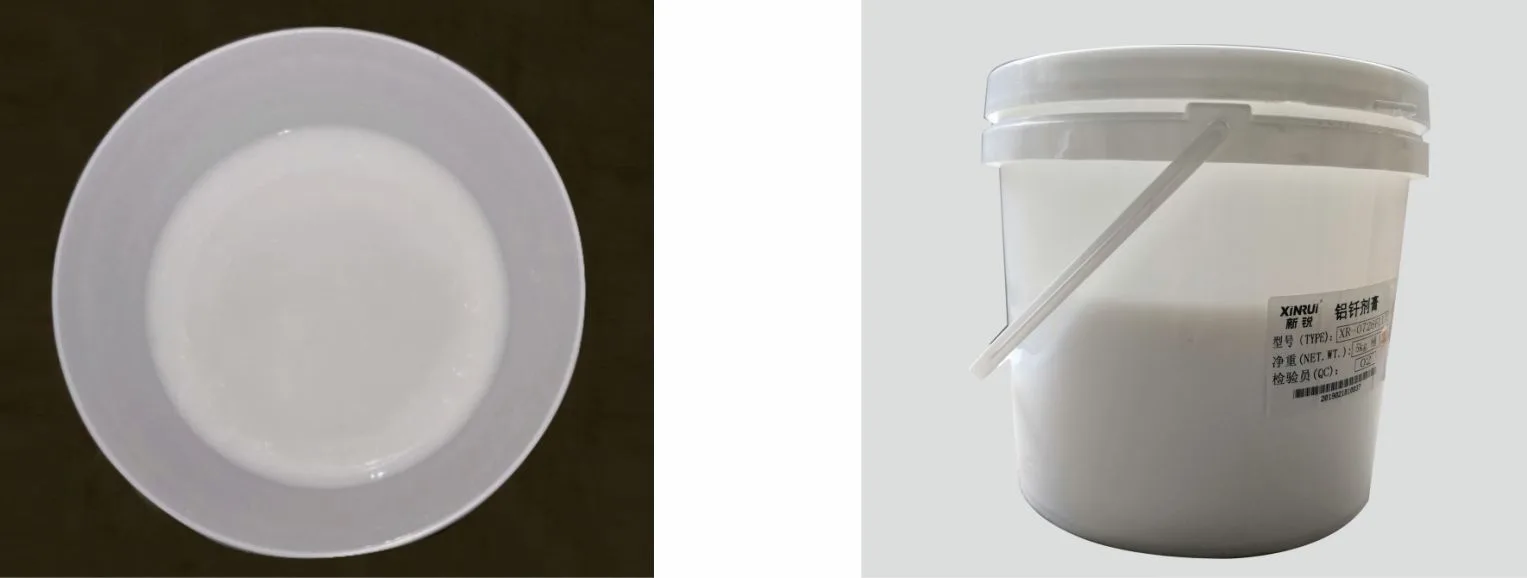
This product is a white paste flux, used together with aluminum-silicon brazing materials (4047 and similar grades) for flame brazing and high-frequency brazing of aluminum alloy.
- The main matrix of the product is NaCl, KCl and LiCl, with fluoride, surfactant and an organic carrier added.
- With high flux activity, it can braze a wide range of aluminum alloy grades, and is especially suitable for higher-magnesium base metals such as 6061, 6063 and K70.
- Convenient for visual inspection of brazing joints.
- Flux residue can be easily removed by washing with water.
- Suitable for flame brazing and induction brazing of pipelines (for example, aluminum tube to aluminum tube, or aluminum tube to a joint) in refrigeration air conditioning, automobile air conditioning and other systems.
Frequently asked questions
How is FB2 different from fluoroaluminate flux?
FB2 is a halide (chloride-fluoride) flux based on NaCl, KCl and LiCl, with added fluoride, surfactant and an organic carrier. Residue is removed by washing with water. Fluoroaluminate fluxes are a different, typically noncorrosive family used in many furnace or CAB processes and often left in place. They are not interchangeable.
Why is FB2 recommended for 6061, 6063 and K70?
The catalog states that the flux has high activity and can braze a wide range of aluminum alloys, especially higher-magnesium grades such as 6061, 6063 and K70. Those alloys are often difficult for lower-activity noncorrosive fluxes in flame work. Confirm the alloy temper and a trial joint before production.
Must the residue be washed off?
Yes. The catalog says flux residue can be easily removed by washing with water. Plan a wash step in the process. Do not treat FB2 residue as a leave-on noncorrosive flux.
Related reading and next steps
- Aluminum brazing flux
- Aluminum-silicon alloy filler metal
- Fluoroaluminate flux for aluminum brazing
- Aluminum brazing paste
- HVAC and refrigeration brazing
- Automotive brazing applications
- Heat exchanger brazing
- How to choose a brazing materials factory
- Contact XINRUI for a datasheet, sample, or custom size