



Ask ten heat exchanger makers which filler metal they use and you will hear the same two answers: solid 4047 wire, or flux-cored wire. Both are aluminum-silicon fillers. Both make sound joints on aluminum heat exchangers. The difference is not which one is better in general. It is what each one asks of your flux handling, your heating setup, and your operators. Pick the wrong one and the cost shows up as rework, leaks found late, or a line that keeps stopping for flux. This guide walks through the choice the way a buyer should make it: from the joint outward.
Start with the joint, not the wire
A heat exchanger joint is usually a thin-walled aluminum tube-to-header or fin-to-tube joint, and it has to be leak-tight for the life of the unit. Before comparing filler metals, write down four things about your own joint: the base alloy, the joint gap, how you heat it, and how many joints you braze in a shift. Those four answers narrow the choice faster than any datasheet. Our heat exchanger application page shows where these joints sit in automotive, HVAC and refrigeration units, and our guide on how to choose a brazing materials factory covers the wider questions — filler, flux and form as separate items, and what to ask for in a first inquiry — that apply here too.
What solid 4047 wire is
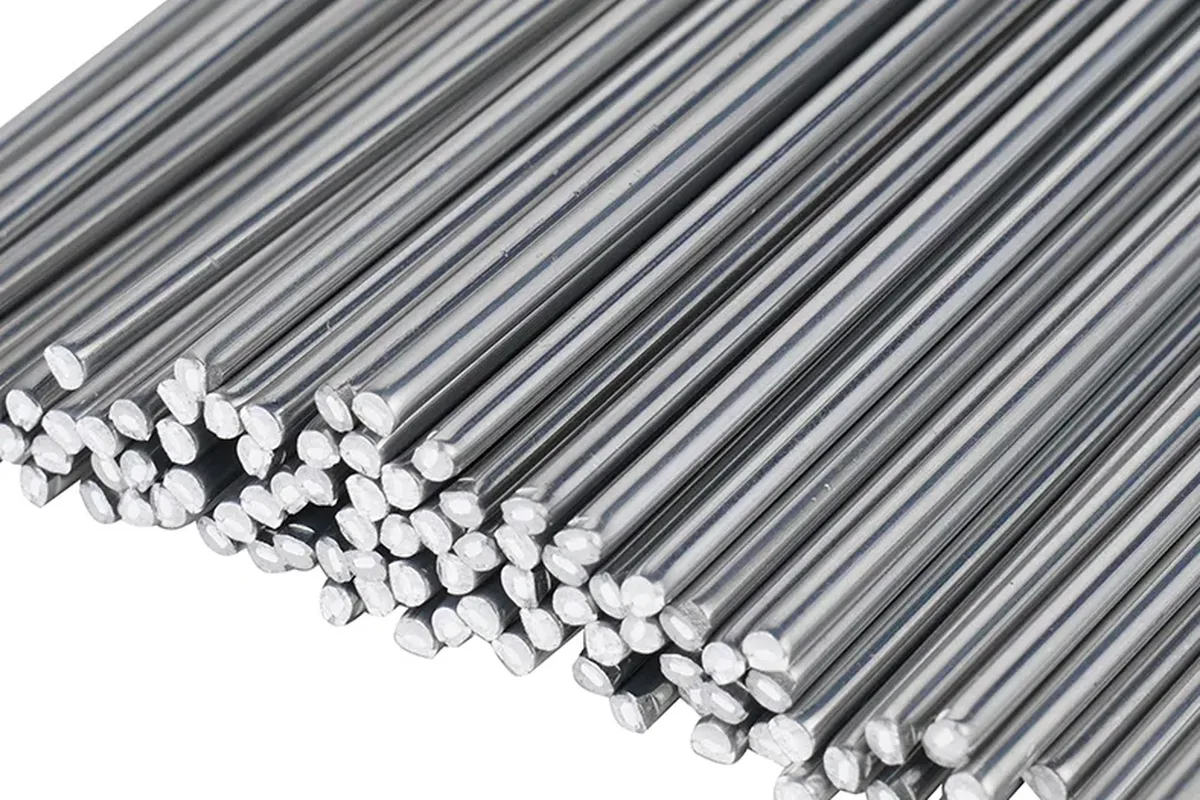
4047 is an aluminum-silicon filler metal, about 11–13% silicon, known in the trade as AWS BAlSi-4 (ISO Al 112). XINRUI supplies it as wire, rod and ring, and the form you order should match how your line feeds filler to the joint. The catalog range is straightforward: aluminum-silicon alloy filler metal 4047 comes as wire in 1.0, 1.2, 1.6, 2.0 and 2.4 mm, rod in 1.6, 2.0, 2.4 and 3.2 mm cut to 1000 mm lengths, and rings in 1.0–2.4 mm with ring IDs from 4.5 to 45.0 mm. Packing is 7 kg per spool of wire, 5 kg per bag of rod, and 1 kg per bag of rings. Solid wire on its own does not carry flux, so your line has to apply flux as a separate step — powder, paste or vapor, depending on the setup.
Solid 4047 suits a line that already handles flux well: a fixed fluxing station, an operator who can judge coverage, or a furnace cycle where paste is brushed on before the run. It is the flexible option — the same alloy in wire, rod or ring form, with the flux chosen separately for the heating method. The trade-off is that flux application becomes one more variable. Too little and the oxide stays; too much and you are cleaning residue off finished parts.
What flux-cored wire changes
Aluminum flux-cored brazing material carries its flux inside the wire. In XINRUI’s material (XR-FC0315Z) the core is a white, highly active cesium salt fluoride — a high-cesium core that delivers flux to the joint at the same moment as the filler. There is no separate fluxing step to staff, time or clean up after, and the flux arrives in the same proportion every time, joint after joint. That is why flux-cored wire is a natural fit for flame brazing of aluminum heat exchangers, where the operator is already managing torch, wire and part at once.
The point is not that cored wire removes flux from the process. It moves the flux decision from your line into the wire itself. The wire and its core are a matched system, so the questions to ask change: which joint designs and heating methods was this core designed for, and what does the supplier recommend for touch-up joints or rework, where a separate flux may still be needed? Get those answers in writing and trial the wire on your own parts before committing a line to it.
The flux still matters, even with cored wire
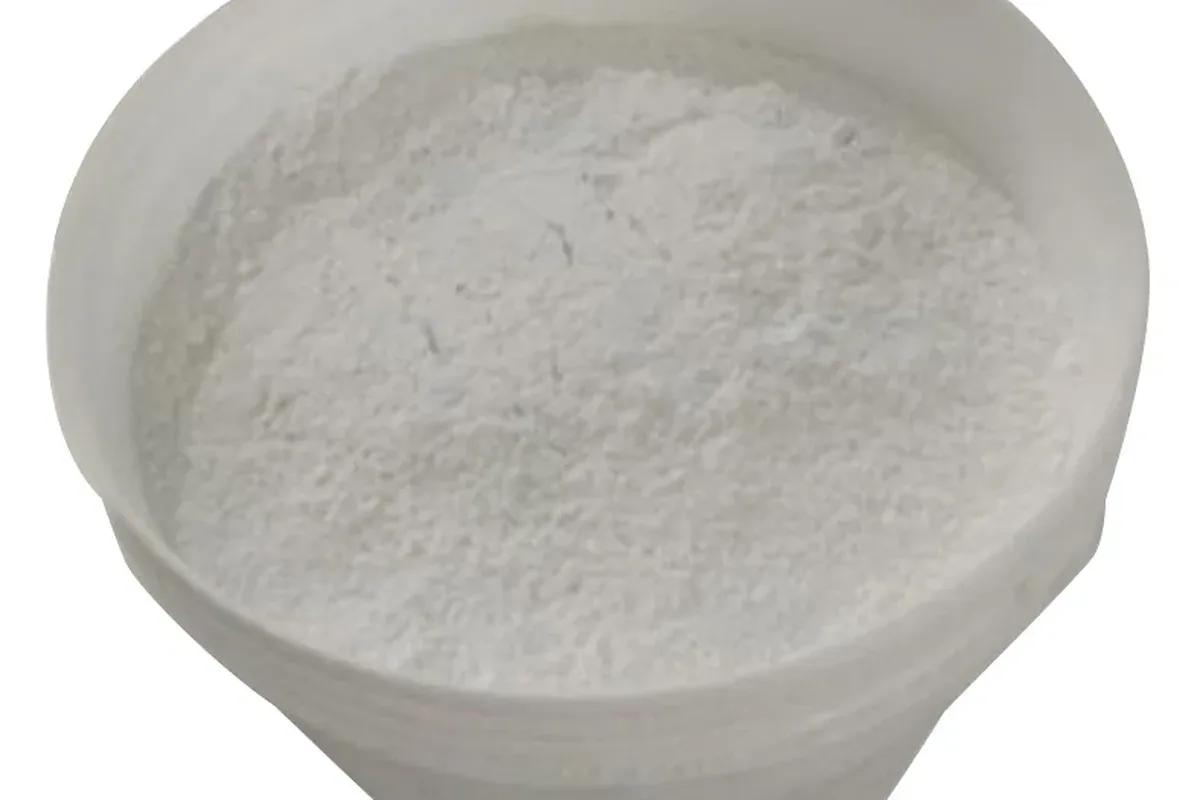
Aluminum forms a tough oxide layer that has to be broken down before filler metal can wet the joint, and that is the flux’s job. With solid 4047 you choose the flux yourself. The standard pairing is a fluoroaluminate flux for aluminum brazing — aluminium potassium fluoride, a white crystal powder with a KF-AlF3 low eutectic and an average particle size of 2–50 micron — or, where the process calls for it, the FB2 series halide aluminum brazing flux, a NaCl/KCl/LiCl based flux supplied as paste or powder for use with 4047-type filler in flame and induction brazing.
Match the flux to the heating method and to the joint, not to the catalogue price. A flux that works in a furnace cycle may not behave the same way under a flame, and a paste that brushes on neatly may not suit a line that fluxes by dipping. If your line is furnace brazing rather than flame, a third form is worth a look: aluminum brazing paste (BA4047-K and BA4045-K), a grey paste of Al-Si powder, noncorrosive flux and organic binder that is brushed onto the joint before the furnace run.
4047 wire vs flux-cored wire at a glance
| Solid 4047 wire, rod or ring | Flux-cored wire | |
|---|---|---|
| Flux handling | Separate step: powder, paste or vapor flux applied by your line | Flux is inside the wire, delivered with the filler |
| Forms | Wire 1.0–2.4 mm, rod 1.6–3.2 mm, rings 1.0–2.4 mm | Wire with a high-cesium fluoride core (XR-FC0315Z) |
| Heating | Flame, induction or furnace, with the flux chosen to match | Flame brazing of aluminum heat exchangers in particular |
| Line fit | Lines that already flux reliably and want form flexibility | Lines that want fewer process steps and steady flux delivery |
| First question to ask | Which flux, and how will we apply it evenly? | Which joints was this core designed for, and what about rework? |
What to ask before you order
Whichever form you lean toward, the order should follow a short checklist, not a hunch:
- Base metal and joint design. Tell the supplier the alloy and the joint. Al-Si fillers behave differently on magnesium-bearing aluminum alloys, so say what you are brazing.
- Heating method. Flame, furnace or induction decides which flux and form make sense. A flux-cored wire built for flame brazing is not automatically right for a furnace cycle.
- How flux is applied today. If fluxing is already your bottleneck, cored wire removes a step. If fluxing is under control, solid 4047 keeps your options open.
- Volume and automation. Say what the line looks like — part size, joints per part, shifts — rather than asking for a throughput figure. The factory sizes the recommendation from that, and XINRUI’s about page lists the certifications behind it: IATF 16949, ISO 9001, ISO 14001 and ISO 45001, with RoHS-compliant full-process management.
- Trial on your own parts. Ask for samples and trial-braze them on your production parts, not on coupons alone. XINRUI offers free samples, trial brazing, training and on-site support, with 24/7 technical support.
- Batch documents. Ask what documents come with each delivery, and keep a retained sample from each batch so a problem can be traced.
None of this needs a price list to start. It needs a joint drawing, a heating method, and an honest description of how your line runs today. Send those three things and a supplier can tell you quickly whether solid 4047 or flux-cored wire fits — and if the answer is neither, a good one will say so.
FAQ for HVAC heat exchanger manufacturers
Is 4047 wire or flux-cored wire better for aluminum heat exchangers?
Neither is better in general. Solid 4047 suits lines that already handle flux well and want form flexibility; flux-cored wire suits lines that want the flux delivered with the wire and fewer process steps. Decide from the joint, the heating method, and how your line applies flux today.
Does flux-cored wire mean I need no flux at all?
No separate flux application step is needed for the joints the wire is designed for, because the flux is inside the wire. Ask the supplier whether any separate flux is still needed for your joint — for example for touch-up joints or rework.
What sizes does 4047 come in?
Wire in 1.0, 1.2, 1.6, 2.0 and 2.4 mm; rod in 1.6, 2.0, 2.4 and 3.2 mm cut to 1000 mm lengths; rings in 1.0–2.4 mm with ring IDs from 4.5 to 45.0 mm. Packing is 7 kg per spool of wire, 5 kg per bag of rod, and 1 kg per bag of rings.
Which flux goes with solid 4047?
A fluoroaluminate flux (aluminium potassium fluoride, KF-AlF3 low eutectic, 2–50 micron average particle size) or an FB2 halide flux (NaCl/KCl/LiCl based, paste or powder, for flame and induction brazing). Match the flux to the heating method and the joint, and confirm it with a trial.
How do I trial a filler metal before ordering?
Ask for samples, trial-braze them on your own production parts, check the joints for leak-tightness, fill and appearance, and ask what batch documents come with each delivery. XINRUI offers free samples, trial brazing, training and on-site support.
Choosing between 4047 wire and flux-cored wire for a heat exchanger line starts with the joint, not the catalogue. If you send XINRUI the joint drawing, the heating method and a description of how your line runs today, the factory can recommend a form and a flux — and supply samples to trial on your own parts. See the 4047 filler metal and flux-cored brazing material pages, or contact XINRUI to start a trial.